
By Styora Decors | Interior Styling & Decor | 7 min read
You love the raw, café-loft look on Instagram — but you live in a plastered 2BHK with POP ceilings, and you can’t knock down a single wall.
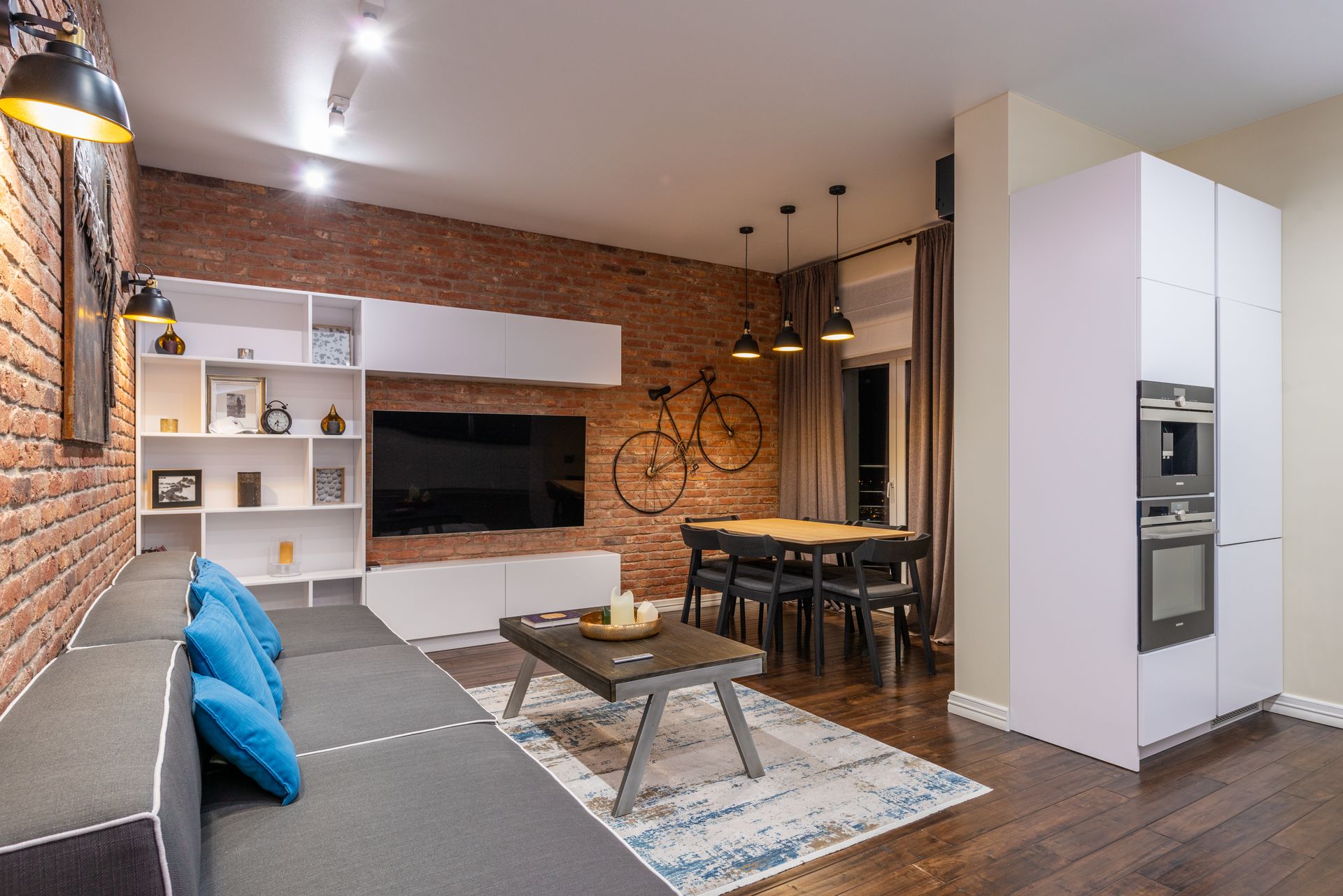
Industrial interior design borrows from old factories and warehouses: black metal, raw wood, leather, concrete tones and bare-bulb lighting, in a muted palette. The good news for Indian flats is that you don’t need exposed brick or open ceiling pipes to get it. Three things do most of the work — a few black metal frames, one rough natural material, and warm low lighting — balanced with soft textiles so the room never feels cold. Everything below is pure styling: no renovation, no carpenter, and most of it works in a rented home too.
What industrial interior design actually is
The look grew out of factory and warehouse buildings in cities like New York and London that were turned into homes and studios. People kept what was already there — high ceilings, big steel windows, brick walls, visible ducts — and furnished around it. That is why the style feels honest: materials are shown, not hidden.
An Indian apartment rarely has any of those bones. So instead of copying the building, we copy the materials and mood. If you want to see how industrial sits next to the other looks people ask us about, our guide to different interior design styles lays them side by side.
The industrial palette: five materials, four colours
Before you buy anything, know the vocabulary. An industrial style home is built from a short list:
- Black or gunmetal iron — shelf frames, table legs, lamp bases, curtain rods.
- Raw or lightly finished wood — sheesham, mango wood or reclaimed-look planks with visible grain and knots.
- Leather or leather-look — a tan or cognac armchair, cushion covers, a pouf.
- Concrete-effect accessories — planters, trays, table lamps, clocks in a grey cement finish.
- Glass and bare bulbs — cage pendants, clear-glass shades, filament-style bulbs.
For colour, stay inside charcoal, warm grey, rust and khaki, with off-white or greige walls holding it together. Rust is the most useful of these in Indian homes — it picks up terracotta pots, brass and the warm light we tend to prefer in the evening. Our post on colour combinations for the home explains how to keep a palette like this to three main shades.
Industrial decor ideas that need no renovation
1. One metal-and-wood shelf as the anchor
A black pipe-style or iron-frame bookshelf with wooden planks is the single most “industrial” object you can own. Put it on the main wall of the living room and style it loosely: books lying flat and standing, a concrete planter, a vintage-look clock, one framed black-and-white print. Leave about a third of each shelf empty — clutter is what makes this look messy rather than raw.
2. Swap the lighting before anything else
Light changes this style more than furniture does. A cage pendant over the dining table, an arc or tripod floor lamp with a black stem, or a pair of clear-glass wall-plug sconces will shift the whole room. Use LED filament bulbs rather than old incandescents: they give the same “Edison” look, and most are sold in very warm tones around 2200K–2700K — check the box, because the number is printed there. Our floor lamp ideas post covers heights and placement.
3. A leather accent chair
One tan or cognac leather-look chair next to a cold metal shelf does a lot of balancing. Real leather ages beautifully but needs conditioning in dry north Indian winters and can develop mould in a humid monsoon if the room stays shut. Faux leather is easier, but read the label — some cheaper finishes peel within a few years.
4. Concrete-look accessories instead of concrete walls
A cement-finish planter, a set of concrete coasters, a grey textured vase. Three or four such pieces across a room suggest a concrete loft without a mason. Group them in odd numbers and mix heights.
5. A dhurrie or jute rug to warm the floor
Vitrified tiles plus metal plus grey can feel like an office. A flat-weave dhurrie in rust, charcoal and cream, or a chunky jute rug, fixes that instantly and is far easier to clean than shaggy pile. For sizing rules, see our guide to choosing a rug for the living room.
6. Plants to soften the hard edges
Big-leaf plants in concrete or black metal planters are the industrial look’s best friend — a rubber plant, a monstera or a snake plant in a corner. They add life to a palette that can otherwise turn severe. Our indoor plants decor guide lists which ones cope with low-light flats.
Industrial living room vs bedroom: how far to push it
An industrial living room can carry the most metal and the darkest tones, because you spend waking hours there and want it to feel social, a little café-like. Aim for one strong metal piece, one leather piece, and a lamp with presence.
Bedrooms need a lighter hand. Keep the iron to a bed frame or bedside lamps, and let linen, cotton and wood carry the rest. A loft style interior bedroom done fully in grey and black tends to feel cold at night — the reverse of what you want.
Dining and study corners are the easiest wins of all: a wooden table, black metal chairs and a pendant above, and the corner is done.
If the full room feels like too much to plan, this is exactly the kind of thing we put together on a call — moodboard, product list and placement, using what you already own. See how our interior styling & decor services work.
✨ Stylist’s tip
Count your black metal. Walk around the room and tally every black metal piece you can see from the door — lamp, shelf frame, table legs, curtain rod, frames. Three to five reads as a deliberate industrial thread. Eight or more and the room starts to feel like a hardware store. If you are over, swap two of them for wood or brass before you buy anything new.
Making industrial style work in Indian homes
- Humidity and rust. In Mumbai, Chennai, Kolkata or any coastal city, untreated iron will rust. Buy powder-coated metal, keep it off wet balcony floors, and wipe it dry after monsoon spells.
- Dust. Open metal shelving collects dust fast. Style fewer objects and pick things you can wipe — glass, ceramic, metal — rather than lots of small fabric pieces.
- Rentals. No drilling? Lean a tall metal-frame mirror or shelf against the wall, use plug-in sconces, and add a peel-and-stick brick or concrete-effect panel only where your landlord agrees.
- The mandir corner. Leave it in its own warm materials — brass, wood, marigold. Industrial pieces nearby are fine; making the puja space itself look industrial usually feels wrong to families.
- Ceiling fans. A black or bronze fan blends in; a bright white one fights the look. If you are replacing one anyway, choose a dark finish.
One honest note: real exposed brick, exposed conduit or a true concrete wall needs a contractor, and so does a textured concrete-effect paint finish. Everything else on this page is styling you can do in a weekend.
Common mistakes to avoid
- All grey, no warmth. Without wood, leather or a rust accent, the room reads as unfinished, not industrial.
- Matching everything. A full “industrial furniture set” from one shop looks like a showroom. Mix one or two metal pieces with things you already own.
- Cold white light. Industrial pieces under a 6500K tube light look harsh. Warm bulbs are half the style.
- Too much black metal. See the stylist’s tip — count it.
- Ignoring comfort. Hard metal chairs everywhere look great in photos and are miserable after twenty minutes. Keep at least one soft seat in every zone.
Is industrial right for your home?
It suits people who like a relaxed, lived-in look and don’t mind a bit of patina. It works especially well in homes with good daylight, since the palette is dark. If you lean minimal and calm, a softer blend — industrial accents inside a modern interior design base — is often easier to live with than the full look.
FAQs
Can I get an industrial look in a small flat?
Yes. Use one metal-and-wood shelf, one statement light and light walls, and skip heavy dark furniture. Keep most surfaces clear and let the floor show — open legs on tables and chairs help a small room breathe. A single industrial corner often looks better than trying to convert every room.
What colours go with industrial interior design?
Charcoal, warm grey, black, rust and khaki, held together by off-white or greige walls. Warm wood tones and cognac leather add the warmth. For an Indian twist, rust and terracotta link naturally with clay pots, brass and handloom textiles, so the room feels local rather than copied from a café.
Is industrial style the same as rustic or modern?
No. Rustic leans on chunky wood and countryside warmth; modern is clean-lined and calm. Industrial sits between them — raw wood and metal, darker tones, exposed-looking finishes. Many homes blend them, using industrial lighting and shelving inside an otherwise modern room.
Do I need exposed brick for industrial decor?
No. Brick is a classic backdrop, but metal frames, raw wood, leather, concrete-look accessories and warm filament lighting create the look on plain plastered walls. Real exposed brick needs a mason; peel-and-stick panels exist, but ask your landlord first if you rent.
Want the industrial look at home — without renovation?
Book a free 15-minute demo call with Styora Decors. Zero obligations — we’ll understand your space and recommend the right plan.
Follow our styling ideas on Instagram · YouTube