
By Styora Decors | Interior Styling & Decor | 9 min read
Most plants in Indian homes are bought to fill a corner — and quietly fade there within a month. The corner was never the problem. The light was.
Good indoor plants decor isn’t about owning lots of plants. It’s about putting the right plant, in the right pot, in the light it will actually get. One areca palm in a cane basket can finish a living room corner; ten struggling pots on a windowsill just look like work.
This guide treats plants as decor, not a gardening project: easy plants matched to the light in Indian flats, planters that belong in the room, ways to group them, and honest notes on dust, AC, monsoon and floors. It’s all pure styling — no renovation — and the one idea that needs drilling is flagged.
Indoor plants decor starts with light, not the plant
Plant labels promise a lot, but daylight decides. In Indian flats it varies hugely from one corner to the next, so check the exact spot before you buy.
Read your light with the shadow test
On a clear day around noon, hold your hand about 30 cm above the spot. A crisp shadow means bright light; a soft, blurred one means medium light; a faint shadow or none means low light — which is what most living room corners actually get. Every step away from the window, the light drops sharply.
Know your windows
- North-facing: soft, even light with little direct sun.
- East-facing: mild morning sun, then shade. Suits almost every easy houseplant.
- South-facing: strong light for much of the day, especially in winter.
- West-facing: harsh afternoon sun and summer heat. Pull plants back from the glass or add a sheer curtain.
Easy indoor plants for home decor in Indian flats
Stick to plants that forgive a missed watering. All of these are well known, easy to find at local nurseries and easy to style.
Low-light corners: money plant, snake plant and ZZ plant
Money plant (pothos) trails beautifully from a bookshelf and even grows in a glass bottle of water. Snake plant adds upright, sculptural leaves to a narrow spot beside a TV unit or bed. The ZZ plant has glossy, almost polished leaves that suit modern rooms. All three tolerate low light, but they grow slowly there, so give them a few weeks near a window now and then.
Bright spots near windows: areca palm and rubber plant
An areca palm is the classic statement plant for a living room corner — tall, feathery and soft against straight sofa lines. It wants bright, indirect light and soil that stays lightly moist, never soggy. A rubber plant has big, dark, glossy leaves that look rich in a brass or deep-coloured pot. Give it bright light and wipe the leaves so they shine.
Humid rooms with a window: peace lily
The peace lily has deep green leaves and, in good light, white flowers. It enjoys humidity, which makes it a natural fit for a bathroom with a window, and it tells you when it’s thirsty: the leaves droop, then lift again within hours of a drink.
A sunny balcony or window: tulsi
Many families keep tulsi by tradition in a balcony, courtyard or sunny window. It needs several hours of direct sun, so it rarely does well deep inside a flat — give it the brightest spot you have. For more plants that suit an outdoor ledge, see our balcony decor ideas.
Planters for indoor plants: the pot is half the decor
Nurseries send plants home in black plastic pots. In indoor plants decor, the planter does half the work, so choose it the way you’d choose a vase or a lamp — for material, colour and scale.
- Terracotta: warm, earthy and very Indian. It breathes, so soil dries faster — ideal for snake plant and ZZ — but it sweats, so always give it a saucer. The white mineral bloom it develops can be scrubbed off or kept as patina.
- Cane, jute and seagrass baskets: soft and textured, but use them only as covers, with the plant in its plastic pot and a saucer inside, and lift it out to water. A basket that keeps getting wet stains, sags and grows mould in the monsoon.
- Glazed ceramic: the easiest way to add colour. Deep green or indigo glazes stand out against white walls; matt white and beige look calm and modern. No drainage hole? Use it as a cover pot.
- Brass and copper: an old handi, lota or urli makes a beautiful home for a small plant. Metal tarnishes where water sits, so set the plant inside in its own pot instead of filling the brass with soil.
On scale: as a rough rule, the pot should be about a third of the plant’s total height — too small looks top-heavy, too big looks empty. For planters and other pieces we’d happily recommend, browse our curated decor finds.
How to group and display plants for home decor
One healthy plant looks intentional; pots scattered around a room look like clutter. A few display rules fix that:
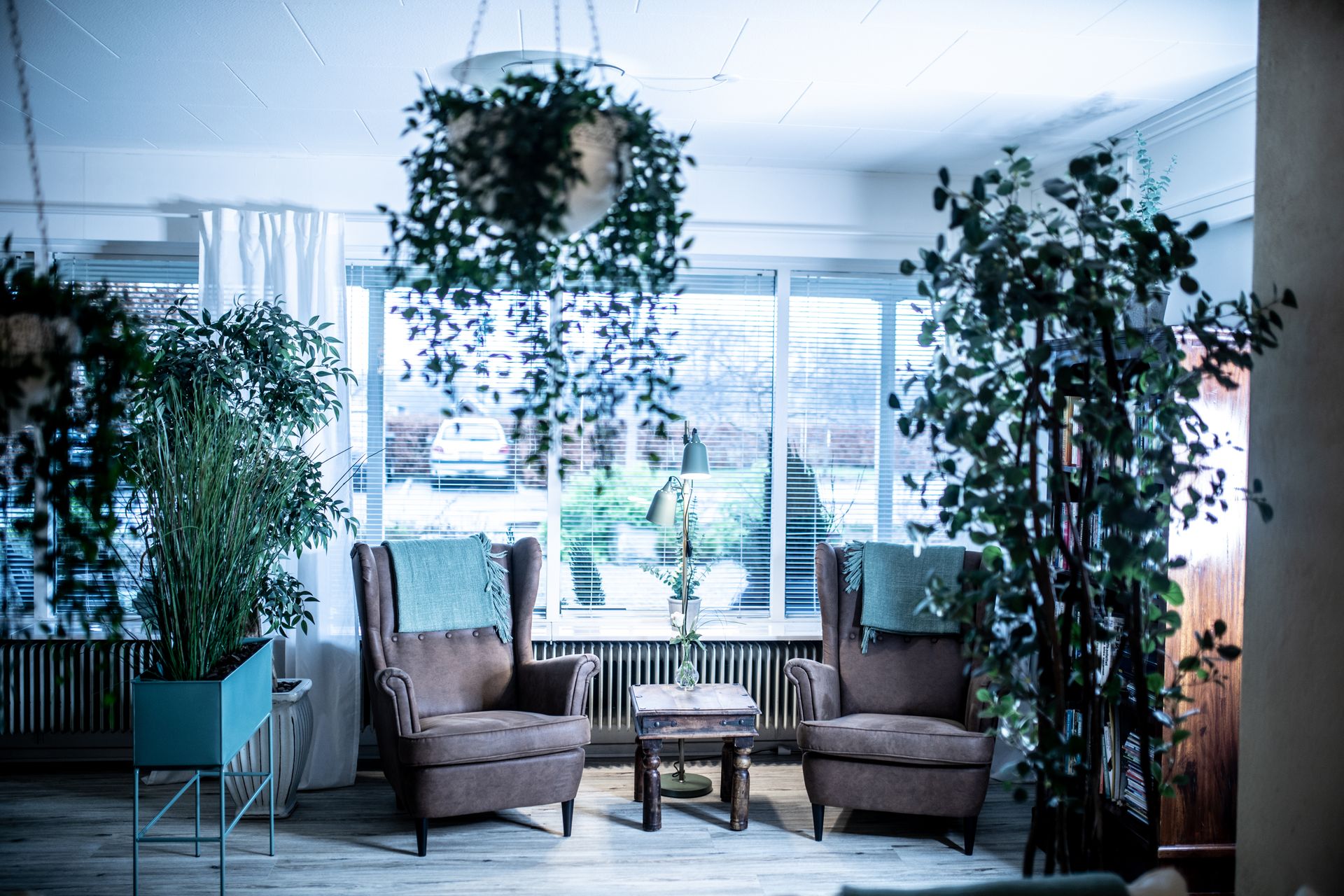
- Group in odd numbers. Three plants of different heights — tall on the floor, medium on a stand, small and trailing on a stool — form a natural triangle. Repeat one material or colour so they read as a set.
- Use plant stands. A metal, wooden or cane stand lifts a small plant to sofa height and closer to the window light.
- Borrow your furniture. Let a money plant trail from the top of a bookshelf, or set a small ZZ on a side table.
- Leave air between pots. A little space keeps each plant visible and helps leaves dry out in humid weeks.
Hanging planters, where drilling is allowed
A watered hanging pot is heavier than you’d expect, so a ceiling hook means drilling into the slab with the right anchor — a job for a carpenter or handyman, and usually off the table in a rental. No-drill alternatives: a tall stand with a hook, or a trailing plant on top of a shelf. For wall-mounted ideas such as herb planters, see our guide to what you can hang on a wall.
If you’d rather have a stylist plan the planters, stands and placement as part of a whole room, that’s what our interior styling and decor services are for.
Living room plant decor, and the rest of the home
Living room
Give the room one statement plant — an areca palm or rubber plant beside the sofa or by a window — then echo it with one or two small plants on a shelf or side table. Keep walkways and the TV view clear, and keep plants out of the AC’s direct blast. Our living room decoration guide covers the layout, lighting and layering around them.
Bedroom
Keep it calm and low-fuss: a snake plant or ZZ on the floor beside a dresser, or a small trailing money plant on a bedside shelf. The bedroom is the room you’re least likely to remember to water.
Bathroom and kitchen
A bathroom with a window suits a peace lily or money plant, on a ledge away from the splash zone. In the kitchen, money plant cuttings in glass bottles on the sill are a classic, and herbs such as mint want a sunny window. Keep plants away from the hob and chimney, and wipe the leaves now and then — cooking leaves a film.
When faux plants make sense
Good faux greenery earns its place in a windowless bathroom, on a ledge you can’t reach to water, or in a home that sits empty for weeks. Buy fewer and better — matt leaves with natural colour variation, in a real planter topped with pebbles or moss. Dust them weekly and keep them out of strong sun, which fades them.
✨ Stylist’s tip
Double-pot every plant. Keep it in its plain plastic nursery pot and drop that into the decorative planter. You can water at the sink and let it drain fully, move a plant from a dim corner to the window for a fortnight’s recovery, and change a room’s whole look — terracotta for summer, brass for Diwali — without repotting anything.
Floors, monsoon and pets: the practical side
Protect your floors
Water marks on marble and wooden floors are a common plant regret. Use a saucer with a cork mat or felt pads under every pot, or raise it on pot feet so air moves below. Better still, water at the sink and let the pot drain. And tip out any water left in the saucer — standing water breeds mosquitoes, especially in the monsoon.
Water less when the air is heavy
In humid, cloudy weeks, soil stays wet far longer, and overwatering is how most indoor plants die. Push a finger into the soil up to the first knuckle and water only if it feels dry. Snake plant and ZZ prefer to dry out completely between waterings.
Watch for pests
Tiny black flies around a pot usually mean the soil is staying too wet. White, cottony patches on stems are mealybugs: isolate the plant and wipe them off — many Indian gardeners also use a diluted neem oil spray. Fine webbing under leaves tends to show up in dry AC rooms; move the plant away from the vent.
Pets and small children
Some common houseplants, including money plant and peace lily, can irritate the mouth and stomach if chewed. With a crawling baby, a cat or a puppy at home, check each plant against a reliable pet-safety list or ask your vet before buying, and keep anything you’re unsure about well out of reach.
Common mistakes to avoid
- Choosing for the corner, not the light. Do the shadow test first, then shop.
- Watering straight into a basket or brass pot. Water pools, roots rot and the planter stains.
- Ten tiny pots instead of one good plant. One statement plant beats a crowd of small ones.
- Watering by the calendar. Plants need far less in the monsoon and winter than in May. Check the soil, not the date.
- Ignoring dust. Dusty leaves look dull. Wipe large leaves with a damp cloth every couple of weeks.
FAQs
Which indoor plants are best for low light in Indian homes?
Snake plant, ZZ plant and money plant (pothos) are the most forgiving choices for dim corners in Indian flats. They tolerate low light but grow slowly in it, so move them near a window for a couple of weeks every so often. Without daylight — or a grow light — no plant lasts long.
How often should I water indoor plants?
There’s no fixed schedule. Water when the top few centimetres of soil feel dry to your finger. In an Indian summer that might be every few days for a palm; in the monsoon and winter, much less. Snake plant and ZZ prefer to dry out completely, which can mean watering every two to three weeks.
How do I keep indoor plants alive while I travel?
Water everything well before you leave, then group the plants together out of direct sun — a bathroom with a window works well, as the humidity slows drying. Snake plant and ZZ will usually manage a couple of weeks on their own. For longer trips, ask a neighbour or your house help to water once a week.
Want your plants and decor styled together — without renovation?
Book a free 15-minute demo call with Styora Decors. Zero obligations — we’ll understand your space and recommend the right plan.
Follow @styoradecors on Instagram and Styora Decors on YouTube for styling reels, decor ideas and room makeovers for Indian homes.