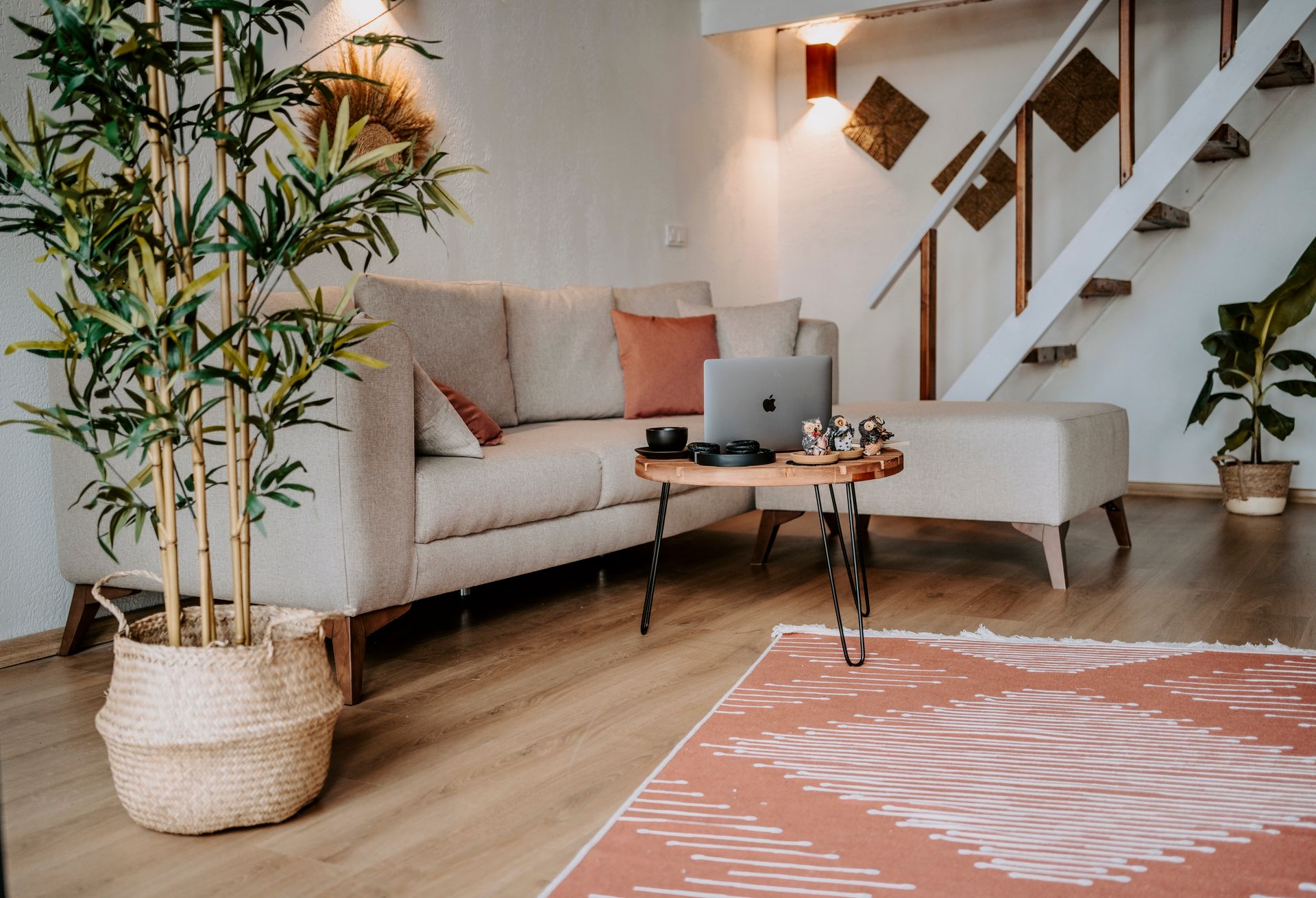
By Styora Decors | Interior Styling & Decor | 8 min read
You’ve saved hundreds of home photos and none of them look alike. So what is your style, exactly?
There are dozens of different interior design styles, but only some of them survive real Indian homes: strong sunlight, dust, festivals at home and, often, a joint family under one roof. Below are the 12 that do, with the palette, materials and key pieces behind each one, and the kind of household it suits.
Every look here can be created through styling alone, with textiles, lighting, art, accessories and placement, and no renovation. We’re a home styling studio, not interior designers (here’s how styling differs from interior design), so for each style you’ll get the styling moves that create it.
12 different interior design styles for Indian homes
Think of a style as a recipe: a palette, a few materials, a handful of signature pieces and a rule about how much is on show. Here is each recipe and how to get it without civil work. For starting points, browse our curated list of decor finds.
1. Modern
Clean lines, bare surfaces and a pared-back palette: sleek, uncluttered and practical.
- Palette: white, black and grey, with one bold accent.
- Materials: metal, glass, leather and matte finishes.
- Key pieces: a low, straight-armed sofa, a glass or stone coffee table, an arc floor lamp, abstract art.
- Suits: people who love order, and newer flats with plain walls.
- Style it: clear every surface, swap busy prints for solids and add one large abstract canvas.
2. Contemporary
Modern’s softer cousin, and simply whatever is current. Today that means curves, texture and warm neutrals.
- Palette: warm white, greige and taupe, with sage or clay accents.
- Materials: bouclé, linen, light wood, matte black metal and stone.
- Key pieces: a curved sofa, an organic-shaped mirror, a textured rug, oversized ceramic vases.
- Suits: anyone who wants a fresh look that’s easy to update.
- Style it: add curves, like a round mirror or a pedestal side table, and one bouclé cushion.
3. Minimalist
Fewer, better things, a clear floor and hidden storage. The calm comes from what’s missing.
- Palette: white, off-white and pale grey, kept tonal, with a little black.
- Materials: plain wood, linen, cotton and matte ceramics.
- Key pieces: a simple low sofa, closed storage, one statement artwork or plant.
- Suits: busy professionals and small flats, as long as storage comes first; Indian homes hold a lot.
- Style it: declutter first, then keep three objects or fewer on any surface.
4. Scandinavian
Light, bright and cosy, built around the Danish idea of hygge: comfort and warmth at home.
- Palette: white, soft grey and pale wood, with muted blue or green.
- Materials: light wood, wool, linen and cotton.
- Key pieces: a sofa on tapered legs, a light-wood coffee table, pendant lamps, throws, plants.
- Suits: families who want calm, practical rooms, and darker flats that need brightening.
- Style it: lighten your textiles, add pale wood and warm lamps, and swap wool for cotton in the heat.
5. Japandi
Japanese minimalism meets Scandinavian warmth: low furniture, natural materials and handmade objects that celebrate imperfection.
- Palette: warm neutrals, clay, stone and charcoal, with muted green.
- Materials: light and dark wood together, bamboo, cane, linen and stoneware.
- Key pieces: a low bed or sofa, paper lampshades, a ceramic vase with one branch, a jute rug.
- Suits: calm-seekers, and Indian homes especially, since cane, jute and handmade pottery are local crafts.
- Style it: lower the eye line with floor cushions and pick matte, handmade accessories.
6. Boho
Relaxed, layered and collected over time. Much of the look borrows from Indian craft, so it comes together easily here.
- Palette: terracotta, mustard, rust, olive and cream.
- Materials: rattan, cane, macramé, jute, dhurries and block prints.
- Key pieces: a rattan chair, layered rugs, floor cushions, a macramé hanging, lots of plants.
- Suits: creative households and renters, since almost all of it is portable.
- Style it: layer two rugs and mix two or three prints in one colour family.
7. Mid-century modern
The 1950s and 60s, updated: tapered legs, soft curves, warm wood and graphic accents.
- Palette: teak and walnut browns with mustard, olive and teal.
- Materials: teak, walnut, moulded plywood, leather and brass.
- Key pieces: an armchair on tapered legs, a low sideboard, a sunburst mirror, a tripod floor lamp.
- Suits: retro lovers, and families with teak furniture handed down from parents or grandparents.
- Style it: bring the old teak out (a local polisher can refresh it) and add mustard or teal cushions.
8. Industrial
Warehouse-inspired and deliberately raw: exposed metal, rough wood, concrete and bare bulbs.
- Palette: charcoal, black, rust, grey and tan leather.
- Materials: black metal, reclaimed wood, leather and concrete-look finishes.
- Key pieces: metal-frame shelving, a leather armchair, factory-style pendants, a wood-and-metal coffee table.
- Suits: high-ceilinged spaces, home offices and anyone after a bolder edge.
- Style it: skip the exposed brick; black metal lamps and a leather pouf do the work, with plants to soften them.
9. Traditional Indian
Rich and ornate, drawn from regional crafts: carved wood, brass, jewel tones and handwoven textiles.
- Palette: maroon, mustard, emerald, indigo, ivory and gold.
- Materials: carved sheesham or teak, brass, copper, silk and handloom.
- Key pieces: a carved jhoola or diwan, a brass urli, a dhurrie, Pichwai or Madhubani art.
- Suits: families who love heritage and host festivals at home.
- Style it: bring heritage in through accessories, not heavy furniture, and keep walls light so the room doesn’t close in.
10. Indo-modern
A clean, modern base with Indian craft as the accent.
- Palette: warm neutrals with indigo, terracotta or emerald, plus brass.
- Materials: cane, brass, handloom, block print and terracotta.
- Key pieces: a simple sofa with ikat or block-printed cushions, a cane armchair, a brass lamp.
- Suits: families where one generation wants modern and another wants tradition.
- Style it: keep big pieces simple and let two or three crafts carry the character. A grandmother’s brass lota makes a lovely vase.
11. Modern luxury
Polished and hotel-like rather than ornate: velvet, marble, brass and statement lighting, with room to breathe.
- Palette: ivory, taupe and charcoal, with emerald or navy and gold.
- Materials: velvet, marble or marble-look stone, brushed brass and smoked glass.
- Key pieces: a velvet accent chair, a marble-topped side table, a statement pendant, large mirrors.
- Suits: people who love to host.
- Style it: buy fewer, better pieces and arrange them in pairs. A new ceiling light needs an electrician.
12. Coastal and tropical
Breezy and made for humid weather: light colours, natural fibres and lots of green. Tropical adds bolder leaf prints.
- Palette: white, sand, sea blue and leafy green.
- Materials: rattan, cane, jute, linen and whitewashed wood.
- Key pieces: cane seating, linen curtains, banana-leaf print cushions, big leafy plants, woven baskets.
- Suits: coastal cities like Mumbai, Goa and Chennai, and anyone craving a holiday feel.
- Style it: swap heavy drapes for linen sheers and add a cane chair; keep natural fibres out of direct rain.
How to find your interior design style
Most people are drawn to two or three different interior design styles at once and just haven’t named the mix yet. These steps help you name it.
1. Save photos before you judge them
Collect 20 to 30 rooms you love on Instagram or Pinterest over a week or two. Don’t filter by style or budget; just save whatever stops your scroll.
2. Look for the repeats
Lay the photos side by side and ask what keeps showing up: the same wood tone, curves or straight lines, lots of pattern or none, busy shelves or bare ones. Repeats matter more than any single favourite.
3. Start from what you’re keeping
Your sofa, dining table and family pieces aren’t going anywhere, so the style has to work with them. A carved teak diwan points to Indo-modern or traditional; a grey sectional leans modern or Scandinavian.
4. Be honest about how you live
Toddlers, pets, dusty roads, a daily pooja, frequent guests: an all-white minimalist room won’t survive most of them. Choose the version of a style that fits your real week, not a photoshoot.
Mixing two styles: the 80/20 rule
The best rooms usually blend two home decor styles: one leads, at roughly 80%, and one adds contrast, at roughly 20%. Think Japandi with Indian brass, Scandinavian with block prints or modern with one carved antique. Two styles make a signature; four make a muddle.
If your saved photos still point in three directions, that’s exactly what our Style Discovery session is for: we define your aesthetic and build custom moodboards for your home, ready in 7–10 working days. See our home styling plans and pricing.
✨ Stylist’s tip
Before you name a style, sort your saved photos by what’s in the background, not the furniture. Most people discover they’ve saved the same two or three materials, say pale wood, cane and brass, again and again, even across rooms that look nothing alike. That repeat is your real style. Build outwards from those materials and the label, Japandi or boho or Indo-modern, matters far less.
Common mistakes to avoid
- Choosing a style from one photo. A hotel lobby or a double-height loft may not translate to a compact city flat. Trust the repeats across many photos instead.
- Buying a matching set. A sofa, coffee table and TV unit from one collection looks like a showroom, not a style.
- Ignoring what you can’t change. Glossy vitrified tiles, the builder’s kitchen and fixed wardrobes are part of your palette. Pick a style that works with them.
- Mixing too many looks. One lead style and one accent. Beyond that, the eye has nowhere to rest.
- Copying a style that fights your climate. Sheepskin throws in a Chennai summer or rattan beside a rain-lashed window won’t last.
FAQs
What are the main types of interior design styles?
The most common interior decorating styles are modern, contemporary, minimalist, Scandinavian, Japandi, boho, mid-century modern, industrial, traditional, Indo-modern, modern luxury and coastal. Most homes blend two of them, one that leads and one that adds contrast. What separates them is the palette, the materials, the shape of the furniture and how much is on display.
Which interior design style is best for Indian homes?
There’s no single best, but styles built on natural materials and warm neutrals, such as Indo-modern, Japandi and a warmed-up Scandinavian, adapt most easily to Indian light, dust and family life. They also use materials India does well, like cane, jute, brass, handloom and terracotta. Choose the one that matches your saved photos and your routine.
What is the difference between modern and contemporary interior design?
Modern refers to a fixed period, the early and mid-20th century, with clean lines, a strict palette and function first. Contemporary simply means what’s current, so it keeps changing; today it is softer than modern, with curves, texture and warm neutrals. Many homes mix the two, which is why the terms get confused.
Can I change my home’s style without renovation?
Yes. A style lives mostly in the layers: curtains, rugs, cushions, lighting, art, accessories and how the furniture is placed. Change those and the room reads as a new style while the walls, floors and kitchen stay as they are. Paint or wallpaper needs a professional, but everything in this guide is pure styling.
Want your style defined and styled for your home — without renovation?
Book a free 15-minute demo call with Styora Decors. Zero obligations — we’ll understand your space and recommend the right plan.
Follow @styoradecors on Instagram and Styora Decors on YouTube for styling reels, room makeovers and style ideas for Indian homes.