
By Styora Decors | Interior Styling & Decor | 8 min read
You want a calm, clutter-free home. But between festival gifts, puja things, school bags and guests’ bedding, ‘minimal’ feels impossible, and when you do manage it, the room looks cold.
Minimalist interior design is less about owning nothing and more about choosing: fewer, better things, clear surfaces, closed storage and a calm palette, so every object you keep has room to breathe. Done well, it feels warm and lived-in rather than empty.
Indian family homes need a few adjustments to get there: more storage, more texture and a respectful place for the things that matter. Because minimalism is mostly subtraction, nearly everything here is pure styling, with no renovation and no carpentry. The one exception is new built-in storage, which needs a carpenter; we’ll flag it where it comes up.
What is minimalist interior design?
At its core, minimalism means every object in a room has a reason to be there: it’s useful, it’s beautiful or it means something to you. Everything else is stored out of sight or let go. The calm comes from what’s missing: clear surfaces, open floor around the furniture and walls that aren’t covered edge to edge.
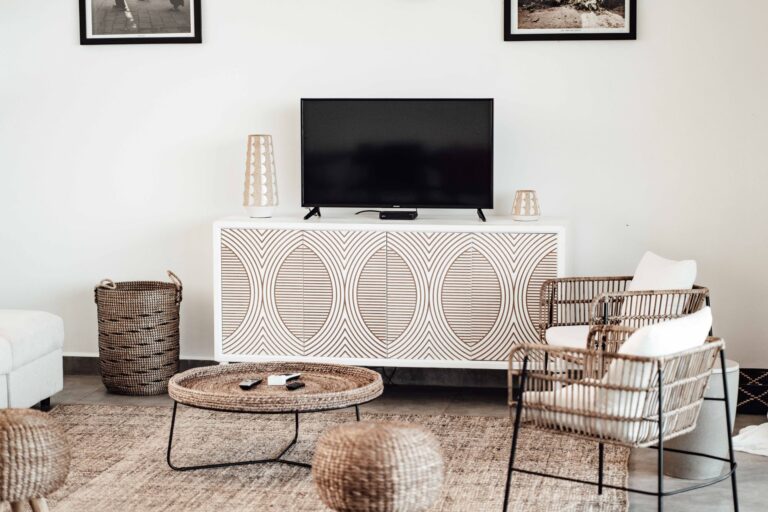
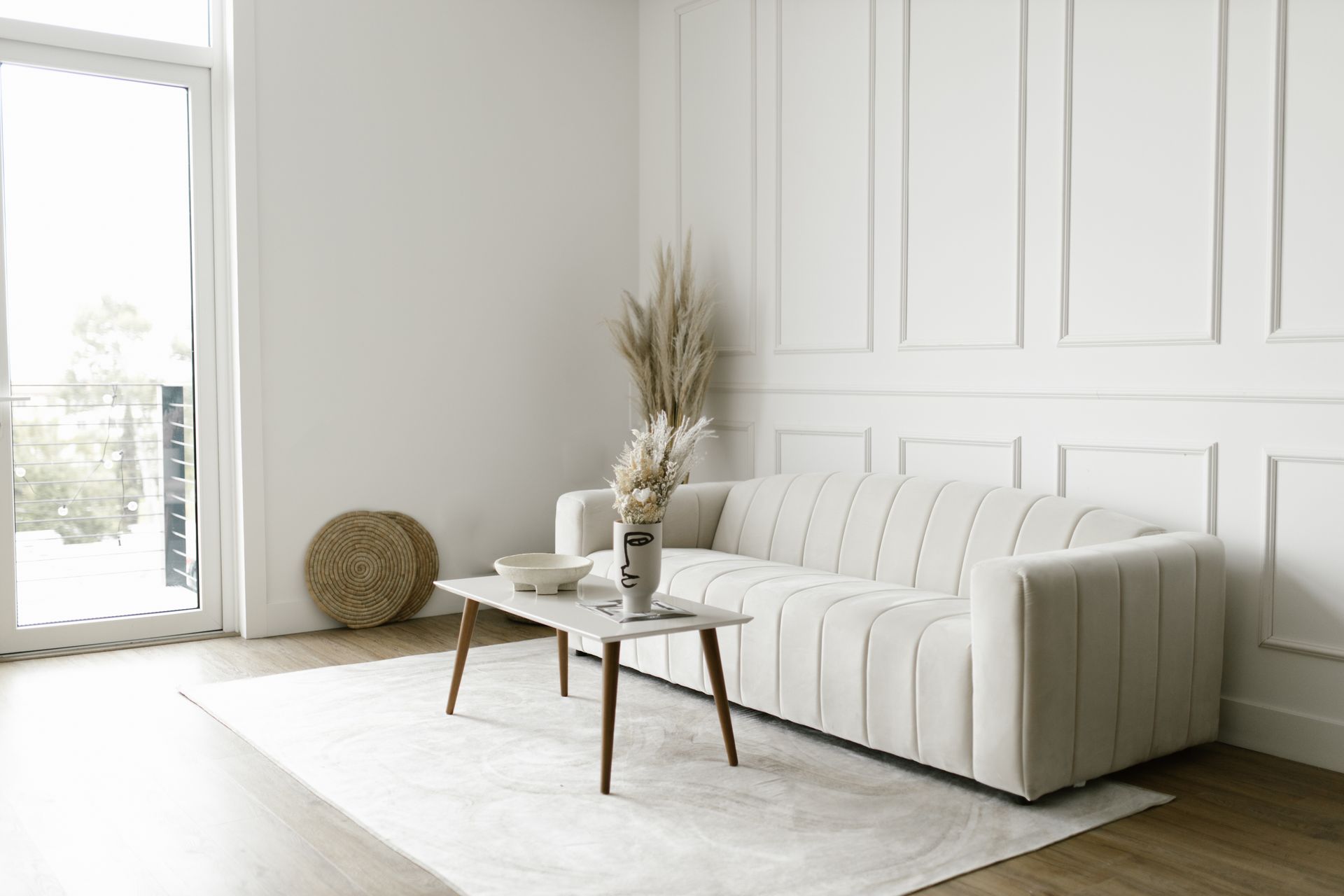
Modern minimalist interior design adds clean lines and simple shapes: a low sofa with straight arms, flat-fronted storage, slim legs and very little ornament. It doesn’t have to be stark. The version that works best in Indian homes is a warm one, built on natural texture rather than bare white surfaces.
Start with the edit: minimalism for Indian families
The most common mistake is shopping first. A new set of ‘minimalist’ baskets won’t help if everything you own still needs a place. Edit first, then buy only what the edit shows you’re missing.
One room at a time
Start with the room you use most, usually the living room, and work surface by surface: the coffee table, the TV unit, the dining table, the shoe rack. Everything comes off. Only what you use every week, truly love or need for an occasion goes back. The rest is sorted into three piles: store, give away, recycle.
The gift problem
Indian homes collect gifts: showpieces, dinner sets, silver articles, festival hampers. You don’t have to part with anything that carries sentiment. Keep one or two pieces you genuinely love on display, store the rest in a labelled box and rotate them for festivals. Shown in turns, a collection feels special; shown all at once, it becomes clutter.
Closed storage comes first
Minimalism in India lives or dies on closed storage, because a family home simply holds more: steel utensils, extra bedding for guests, festival decor, school supplies. Use what you have before buying more: lidded baskets on open shelves, labelled boxes on wardrobe lofts, a storage ottoman in the living room, boxes under the bed. New built-in wardrobes or cabinets are a carpenter’s job; everything else is styling.
Kids and minimalism
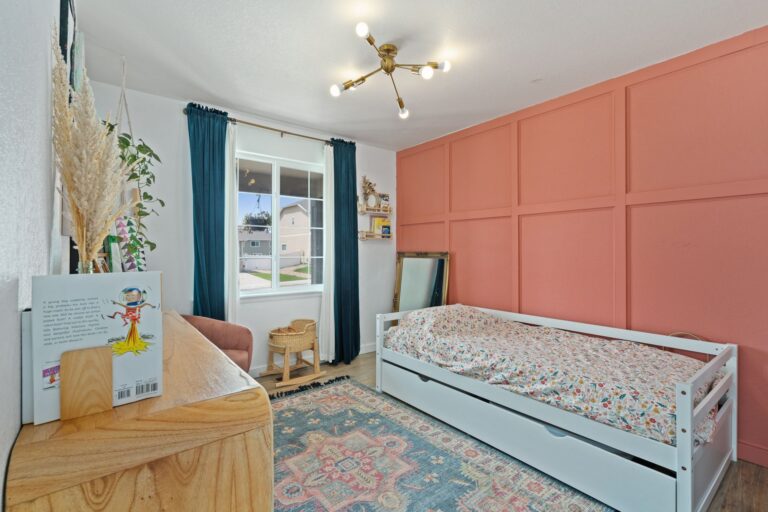
With children, aim for systems rather than perfection. Keep a few toys out and rotate the rest from a closed box every few weeks, and give each child one low basket they can tidy themselves. A clear floor at bedtime is a realistic goal; a spotless room all day is not.
Once the edit is done, if you’d like help deciding what each room still needs, our Foundation plan, from ₹10,000, gives you a Style Discovery session, custom moodboards and placement guidance while you do the shopping. Compare all our home styling plans and pricing.
Warm minimalism: minimalist home decor that doesn’t feel empty
A minimalist room feels cold when it simply has fewer things and nothing else changes. The fix isn’t more objects. It’s more texture, warmer colour and one piece worth looking at.
Texture over things
Natural materials make a pared-back room feel warm: linen and cotton curtains, a jute or cotton dhurrie, a cane chair, a solid wood table, a brass bowl, terracotta and handloom cushions. Indian craft suits minimalism beautifully, as long as it’s chosen and spaced rather than piled.
A neutral palette with one accent
Start with warm whites, beige, sand and soft greys; stark white can feel glaring in strong Indian daylight. Then choose one accent colour for the whole home, such as terracotta, olive, indigo or mustard, and repeat it two or three times in each room: a cushion, a vase, a print.
One hero piece per room
Give each room a single focal point and let everything else stay quiet: a large artwork, a sculptural lamp, a handwoven rug, an old wooden trunk or a brass urli. One strong piece reads as intentional; ten small ones read as clutter.
Warm light and one big plant
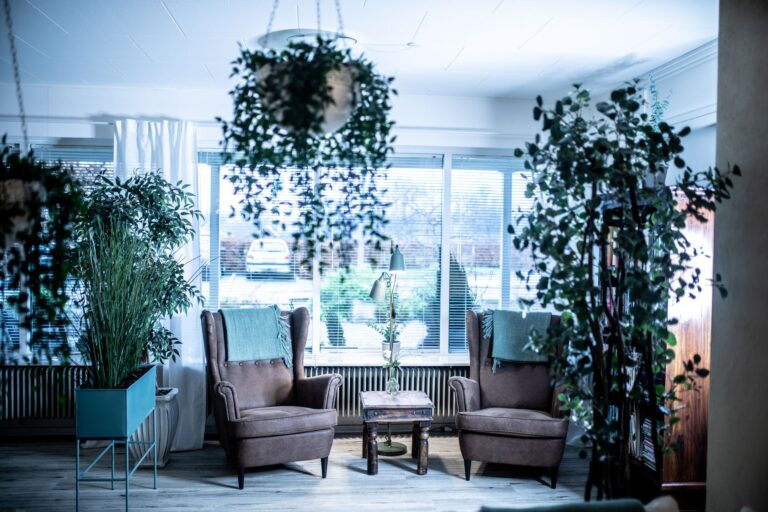
Swap the evening tube light for warm table and floor lamps, and choose one or two large plants instead of many small pots. A single tall plant in a plain planter does more for a pared-back room than a windowsill full of tiny ones.
Room-by-room minimalist ideas
Minimalist living room design
Keep the furniture to what the family actually sits on: a sofa, one or two chairs and a coffee table with no more than three objects on it. Choose one large artwork instead of a cluster of small frames, a rug big enough to anchor the seating and floor-length linen or cotton curtains. Hide the TV unit’s clutter behind doors or in lidded baskets.
Minimalist bedroom ideas
Let the bed be the hero, with cotton or linen bedding in two or three tones and a single throw. Each bedside gets a lamp, one book and nothing else. If suitcases live on top of the wardrobe, put them in matching lidded boxes. The bedroom is the easiest room to start with, and the one where you’ll feel the calm most.
Kitchen counters
Leave out only what you use every day. In most Indian kitchens that’s the stove, the pressure cooker, the masala dabba and the water purifier. Decant dals and grains into matching glass or steel jars inside the cabinets, and keep any open steel rack to one tidy row.
The entrance
Shoes are the first clutter a guest sees. A closed shoe cabinet, one hook per person, a small tray for keys and a single mirror or artwork are all an Indian entrance needs.
The mandir corner
Minimalism and devotion sit well together. A simple wooden or marble stand, the idols your family worships, a brass diya and fresh flowers are enough, with a closed drawer below for incense, matchboxes and puja supplies. The calm comes from a clean, uncrowded space rather than extra decoration. Our pooja room design ideas cover layouts in more detail.
How to keep a minimalist home minimal
Editing once is the easy part. These small habits stop the clutter creeping back:
- One in, one out: when a new cushion, showpiece or kitchen gadget comes home, an old one leaves.
- A ten-minute evening reset: everything goes back to its basket or drawer before bed.
- A landing tray by the door: keys, wallet and post stop there instead of spreading across every surface.
- A festival box: after Diwali or Navratri, decorations and gift wrap go back into one labelled box until next year.
Minimalist vs Japandi vs Scandinavian: what’s the difference?
The three are often confused because they share calm colours, natural materials and uncluttered rooms. The difference is that minimalism is a principle, while the other two are styles built on it.
- Minimalism: as little as possible on show, with every piece earning its place. It can be applied to any style, including a traditional Indian home.
- Scandinavian: minimalism made bright and cosy, with white walls, pale woods, slim-legged furniture and layered throws and candles.
- Japandi: minimalism made earthy and grounded, with low furniture, a mix of light and dark woods and handmade, slightly imperfect pieces.
If pure minimalism feels too spare for your family, either style is a gentle way in. Read our Japandi interior design guide or our guide to Scandinavian interior design for room-by-room ideas.
✨ Stylist’s tip
Try the one-week box. Clear every surface in a room into one large box and live without it for a week. Each time you genuinely reach for something, take it out and give it a proper home. Whatever is still in the box at the end of the week is what the room never needed. Most people are surprised by how little they bring back.
Common mistakes to avoid
- The sterile white box. White walls, white furniture and no texture make a room feel like a clinic. Add wood, linen and one accent colour.
- Too many tiny objects. Twelve small ‘minimal’ pieces are still clutter. Fewer, larger pieces look calmer.
- No rug. Bare floors make a pared-back room echo and feel cold. A large cotton dhurrie or jute rug grounds the furniture.
- Bare windows. Minimal doesn’t mean curtain-less. Linen or cotton sheers soften harsh light and the room’s hard edges.
- Buying before editing. New storage boxes for things you don’t need only hide the problem.
- Hiding every personal thing. A home with no family photos or keepsakes feels like a hotel. Keep a few that matter on display.
FAQs
Is minimalist interior design practical for Indian families?
Yes, as long as storage comes first. Indian homes hold more, from utensils and guest bedding to festival decor and gifts, so minimalism here means calm surfaces with plenty of closed storage behind them. Edit room by room, give everything a home and keep only a few chosen pieces on display. It’s about less on show, not owning less at any cost.
How do I make a minimalist home feel warm, not empty?
Add texture, not things. Linen curtains, a jute or cotton rug, cane, wood, brass and handloom cushions warm a pared-back room instantly. Use warm whites instead of stark white, pick one accent colour, give each room one hero piece and switch to warm lamps in the evening. Keep a few personal photos or keepsakes on show.
What colours work best for a minimalist home?
Warm neutrals work best in Indian light: off-white, beige, sand, greige and soft grey. Pair them with natural wood and one accent colour repeated around the home, such as terracotta, olive, indigo or mustard. Avoid stark, bluish whites, which can look glaring in strong daylight and cold under tube lights.
Is minimalist interior design expensive?
It’s usually one of the more affordable looks, because it starts with editing what you own rather than buying. When you do shop, spend on fewer, better pieces, such as a good rug, a comfortable sofa and warm lamps, and skip the decorative extras. Most of the change comes from styling and storage, not renovation.
Want a calmer, clutter-free home without renovation?
Book a free 15-minute demo call with Styora Decors. Zero obligations — we’ll understand your space and recommend the right plan.
Follow @styoradecors on Instagram and Styora Decors on YouTube for styling reels, decluttering ideas and room makeovers for Indian homes.