
By Styora Decors | Interior Styling & Decor | 7 min read
You want a home that looks put-together, but every quote you get seems to start in lakhs and end in months.
Good budget interior design isn’t about buying cheaper versions of everything. It’s about putting money where you’ll feel it every day and saving everywhere else. Most of what makes a room look expensive, like light, proportion, texture and a few well-chosen pieces, costs far less than new cabinets or a false ceiling.
Everything in this guide is styling, not renovation. At Styora Decors, a home styling studio, this is the spend-and-save logic we follow when a home needs to look beautiful without a renovation budget.
Styling vs renovation: where the money really goes
Renovation changes the structure: civil work, carpentry, false ceilings, flooring and modular kitchens. It is slow, messy, expensive and permanent. Styling changes what you see and use: layout, textiles, lighting, art and accessories. It is faster, it costs far less, and most of it moves with you when you change homes.
Be honest about what your home needs first. Seepage, faulty wiring or a kitchen that doesn’t work are renovation jobs, and no cushion will fix them, so do those first. But if the structure is sound and the room still feels wrong, that’s a styling problem, and styling is the cheaper fix. Our guide on how to transform your home without renovation covers the full approach.
Where to spend: the pieces worth the money
Spend on what you sit on, sleep on or see every single day. These pieces last for years, so a higher price often works out cheaper per use.
1. The sofa and the mattress
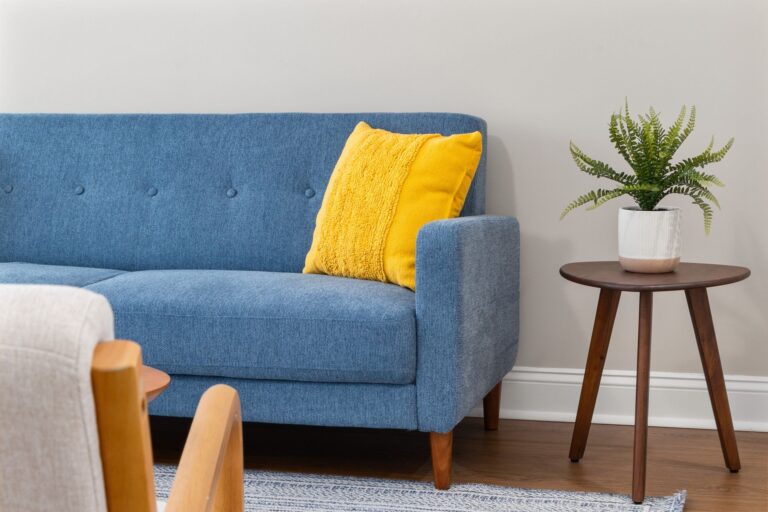
You use them daily for years, and a sofa that sags or a mattress that hurts your back costs more to replace than to buy well once. Choose a simple, neutral shape in a durable fabric; colour can come from cushions.
2. A large rug
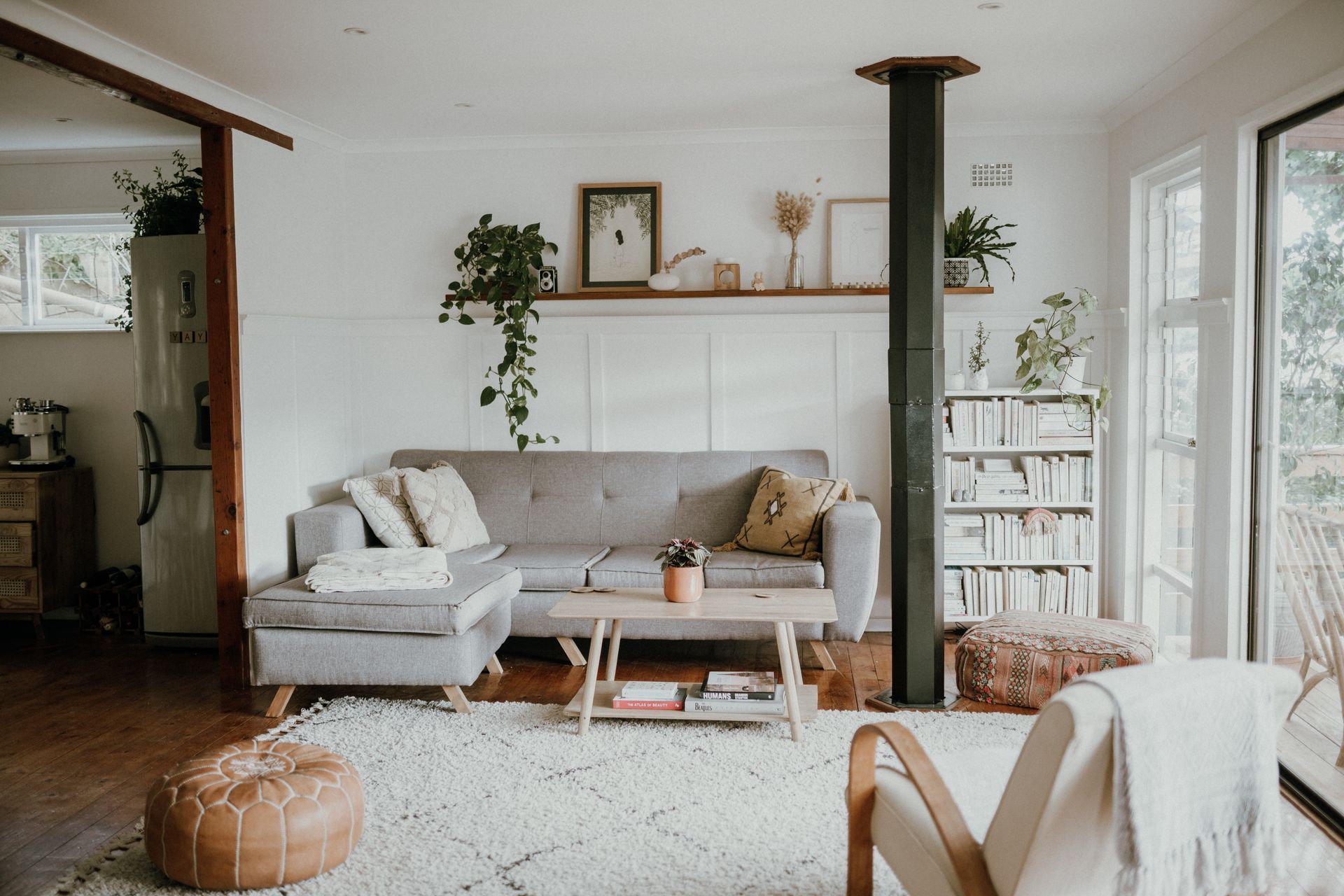
A rug big enough for the front legs of every seat pulls a living room together and covers flooring you didn’t choose. A small rug floating in the middle makes even good furniture look cheap.
3. Lighting
Two or three warm lamps at different heights change a room more than any single piece of furniture. Swap cool tube lights for warm white bulbs and add plug-in lamps, with no electrician needed.
4. Curtains
After the walls, curtains are the biggest block of colour in a room. Full-length, lined curtains hung high and wide make ceilings look taller and windows bigger, and the lining protects furniture from strong Indian sun.
5. One statement piece
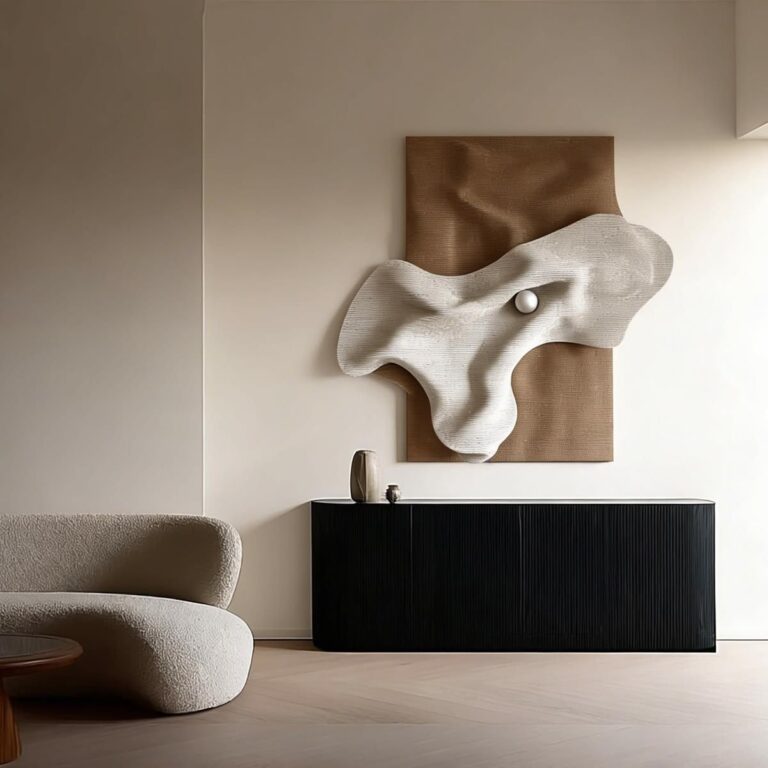
A large artwork, an oversized mirror or a beautiful armchair gives the room a focal point. One good statement piece does more than five small ones.
If the walls are tired, a fresh coat of warm white is one of the biggest refreshes you can buy, but it needs a painter. Everything else on this list is pure styling.
Where to save without anyone noticing
- Cushions and throws. Buy covers rather than whole cushions, and change them with the seasons or festivals.
- Side tables and accent furniture. Nesting tables, stools and small consoles rarely need to be expensive to look good.
- Decor accessories. Trays, vases and baskets from local markets and handicraft fairs look just as good when they are styled well.
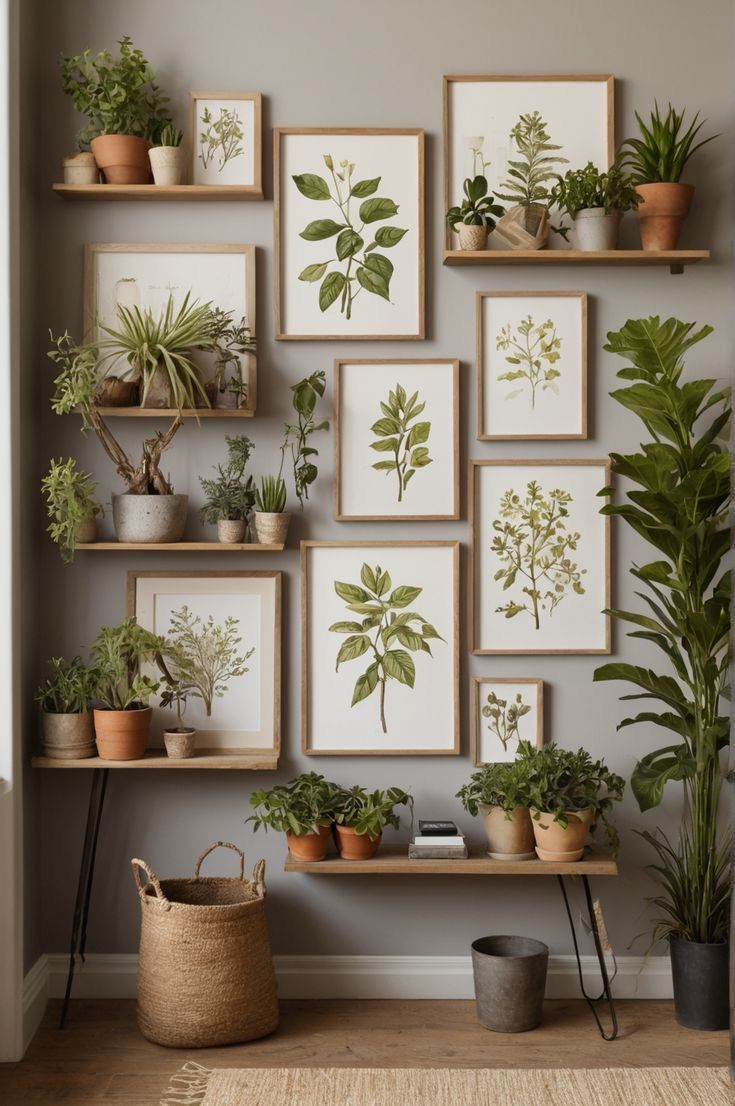
- Art. Framed prints, a textile in a frame, children’s drawings or family photos in matching frames look curated for very little.
- Plants. Buy small, because they grow. A few hardy plants in terracotta pots fill a room without draining the budget.
- Things you already own. A brass lota as a vase, a grandmother’s saree as a throw, a trunk as a coffee table. Shop your own home first.
For affordable interior design finds, state emporiums and handloom exhibitions are good for textiles and brass, local potters for terracotta, and export-surplus stores for cushion covers and throws.
Low budget interior design tricks that look expensive
- Hang curtains high and wide. Mount the rod near the ceiling and let the fabric stack beyond the window frame. Rods need drilling, so in a rental, ask first.
- Size the rug up. Bigger almost always looks more expensive than smaller.
- Use warm light only. Warm white bulbs and lamps make every material look richer after dark.
- Repeat one metal. Brass, black or chrome, used three times around the room, looks deliberate.
- Hide the cables. Cable clips and a basket for the router tidy a TV wall for very little.
- Choose fewer, bigger things. One large vase beats five small ornaments; one big frame beats a scatter of tiny ones.
- Group in odd numbers. Sets of three at different heights look styled rather than lined up.
- Declutter first. It’s free, and nothing else looks good until you’ve done it.
✨ Stylist’s tip
Keep a finishing fund. Hold back a small part of your budget for the last week, after the big pieces are in. Almost every room then needs a few things nobody planned for: a lamp for a dark corner, a longer curtain rod, one more cushion to balance the sofa. Rooms without that reserve tend to stay almost-finished for years.
Phase it: a room-by-room plan
Doing everything at once is how budgets break. Phasing is the most underrated budget interior design tool: you spend in stages and learn what the room needs before you buy more.
- Phase 1, free: declutter, rearrange the furniture and make the most of the lighting you have.
- Phase 2, the anchors: the rug, curtains and a lamp or two in the room you use most.
- Phase 3, comfort: the sofa, mattress or dining chairs, if they genuinely need replacing.
- Phase 4, the finish: art, cushions, plants and accessories, added slowly as you find pieces you love.
A simple way to split the money: the biggest share goes to the anchors, a smaller share to lighting, and the smallest to accessories and art, with a little held back. Start with the room you spend the most time in, usually the living room, and finish it before moving on. One finished room keeps you going; five half-done rooms don’t.
Low budget small house interior design
In a small house or flat, every piece has to earn its place: choose multi-use furniture, light colours, mirrors and vertical storage, and skip anything bulky. Our small apartment decorating ideas go deeper.
DIY or get help? How the costs compare
You can do all of this yourself. The cost is your time, plus the risk of expensive mistakes, like a sofa that doesn’t fit or a rug that’s too small. If you’d like guidance, this is how our interior styling and decor services work. Every plan is a design fee only; your shopping budget stays yours.
- DIY: no fee, but you carry the planning, the shopping and the risk.
- Foundation, from ₹10,000: DIY with guidance. A Style Discovery session, custom moodboards, three virtual consultations and placement guidance, and you do the shopping.
- Curated, from ₹20,000, our most popular plan: four consultations, budget planning and ready-to-buy shopping links.
- Bespoke, from ₹35,000: in-person consultations (city confirmed on the call), and we shop for you and style the home on site.
Fees depend on the size of your home; see our home styling plans and pricing for the full table. Most homes are styled in 2–4 weeks.
Common mistakes to avoid
- Buying everything from one store at once. It looks like a catalogue page, and you may regret half of it within a year.
- Going cheap where it counts. A bargain sofa or mattress that fails early is the most expensive thing you’ll buy.
- Buying before measuring. Mark the outline of a sofa or rug on the floor with masking tape before you order.
- Too-small rugs and short curtains. Both make a room look smaller and cheaper, however good the furniture.
- Shopping the sale, not the plan. A bargain you don’t need is still money spent.
- Renovating to fix a styling problem. New tiles won’t rescue a room with poor light and no rug.
FAQs
How can I do interior design on a budget?
Start free: declutter, rearrange and make the most of your lighting. Then spend on the pieces you use every day, like the sofa, mattress, rug and curtains, and save on accessories, side tables and art. Phase purchases room by room, beginning with the room you use most, and shop your own home before buying anything new.
What makes a room look expensive on a low budget?
Proportion and light. A rug big enough for the furniture, curtains hung high and wide, warm lamps instead of a tube light, and fewer but larger decor pieces all read as expensive. Repeating one metal finish and hiding cables add polish for very little, and none of it needs a contractor.
Is hiring a home stylist affordable?
It can be. At Styora Decors, the Foundation plan starts from ₹10,000: we define your style and guide you, and you do the shopping. Fees are for design only, so your shopping budget stays entirely yours and there are no construction costs attached. Good guidance also helps you avoid expensive wrong purchases.
Should I renovate first or style first?
Fix structural problems first: seepage, wiring, plumbing or a kitchen that doesn’t work. Styling can’t solve those, and styling before civil work means redoing it afterwards. Once the structure is sound, style. Many rooms that seem to need a renovation actually need better light, a bigger rug and the right layout.
Want a beautiful home on a budget — without renovation?
Book a free 15-minute demo call with Styora Decors. Zero obligations — we’ll understand your space and recommend the right plan.
Follow @styoradecors on Instagram and Styora Decors on YouTube for styling reels, budget-friendly ideas and room makeovers for Indian homes.